Our Programs
Math Programs

P0
Early Foundations
Children build number sense through counting, comparing, simple addition and subtraction, patterns, and shapes, using hands-on activities that nurture curiosity and confidence.
Curriculum details: Children build number sense through counting, comparing quantities, simple addition and subtraction, patterns, shapes, measurement, and everyday data. Hands-on activities and visual models make early ideas clear while nurturing curiosity and confidence.

P1
Building Number Sense
Students strengthen place value, addition and subtraction, early multiplication, time, money, and shapes, learning to explain their thinking with pictures and models.
Curriculum details: Students strengthen place value, addition and subtraction, early multiplication and division, time, money, length, shapes, and simple charts. They learn to explain their thinking and use pictures and models before moving to abstract methods.

P2
Connecting Operations
Students build fluency with operations, fractions, measurement, and geometry, turning word problems into chances to choose strategies, show reasoning, and check answers.
Curriculum details: Students develop fluency with whole-number operations, multiplication and division, fractions, measurement, geometry, and data. Word problems become opportunities to choose a strategy, show reasoning, and check whether an answer makes sense.

P3
Deepening Reasoning
Students explore larger numbers, fractions, area, perimeter, angles, and graphs, using visual strategies to connect ideas and tackle unfamiliar questions with confidence.
Curriculum details: Students work with larger numbers, fractions, multiplication and division, area and perimeter, angles, time, and graphs. Visual problem-solving strategies help them connect concepts, compare methods, and tackle unfamiliar questions with confidence.

P4
Extending Mathematical Thinking
Students deepen fractions, decimals, ratios, and geometry, practicing model drawing, logical reasoning, and careful checking on multi-step word problems.
Curriculum details: Students deepen work with fractions, decimals, ratios, geometry, measurement, data, and multi-step word problems. They practice logical reasoning, model drawing, flexible strategies, and careful checking as they move from school foundations toward more challenging applications.

P5
Applying and Extending Skills
Students connect fractions, ratios, geometry, and statistics, comparing methods and applying visual models to unfamiliar, multi-step problems with growing independence.
Curriculum details: Students connect fractions, decimals, ratios, geometry, measurement, statistics, and multi-step problem solving. They compare methods, explain logical relationships, and apply visual models to unfamiliar problems with increasing independence.
How We Teach
Our Math Teaching Approach
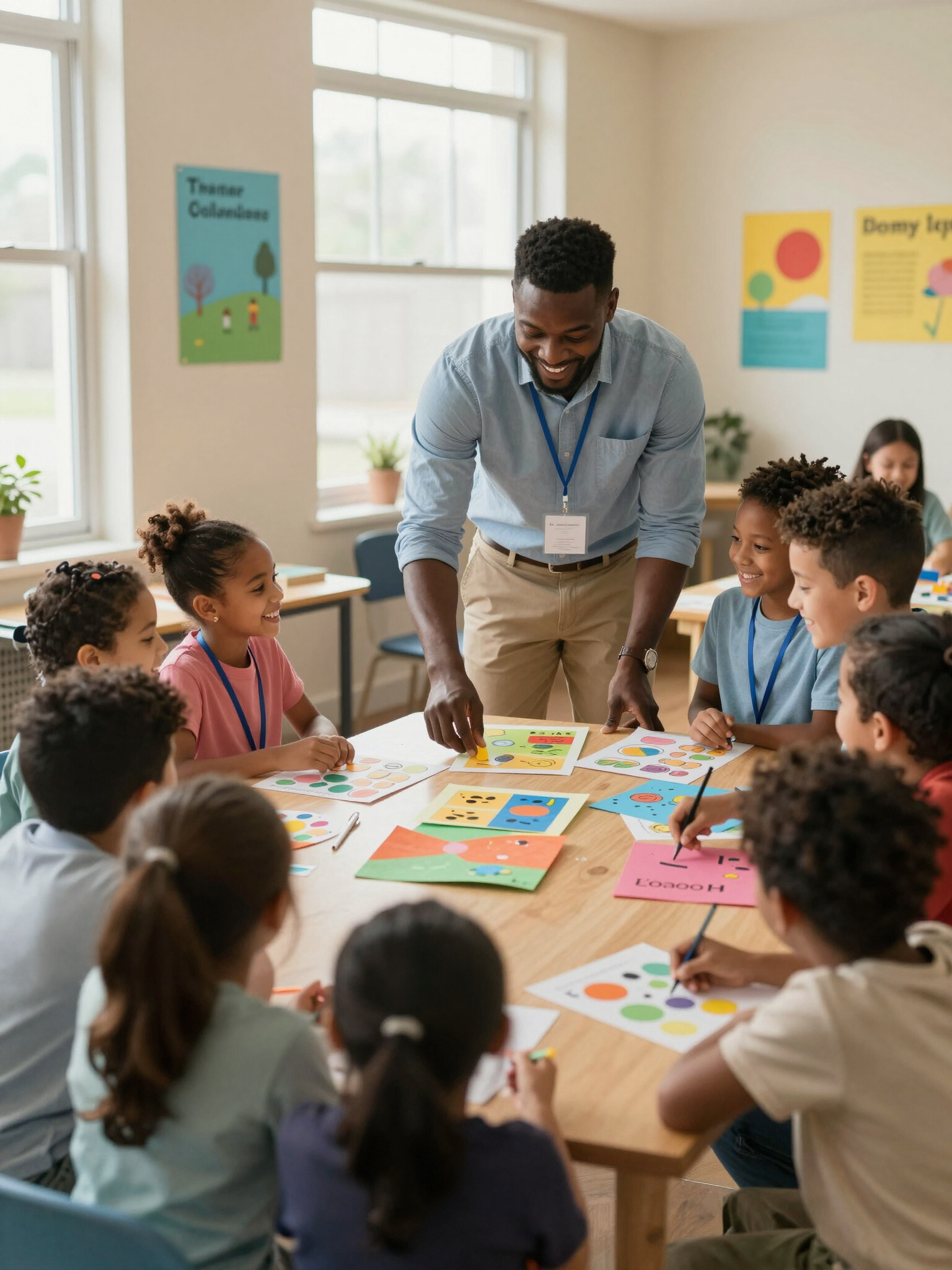
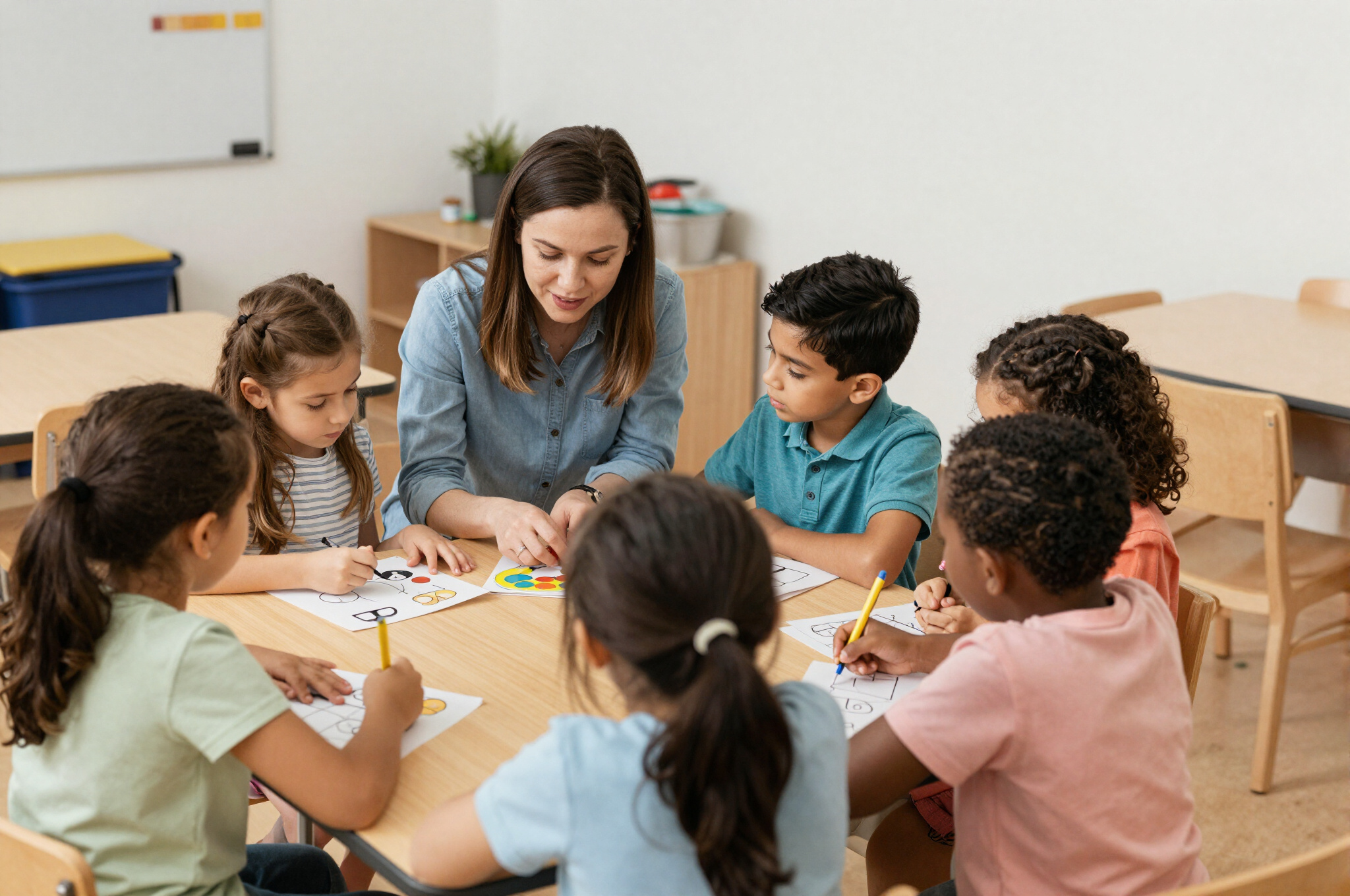
At Evermont, we help children understand why math works, not just how to get an answer. Through structured small-group instruction for 6–8 kids per class, students build conceptual understanding, reason clearly, and grow the long-term confidence to take on new challenges.

Concrete–Pictorial–Abstract Learning
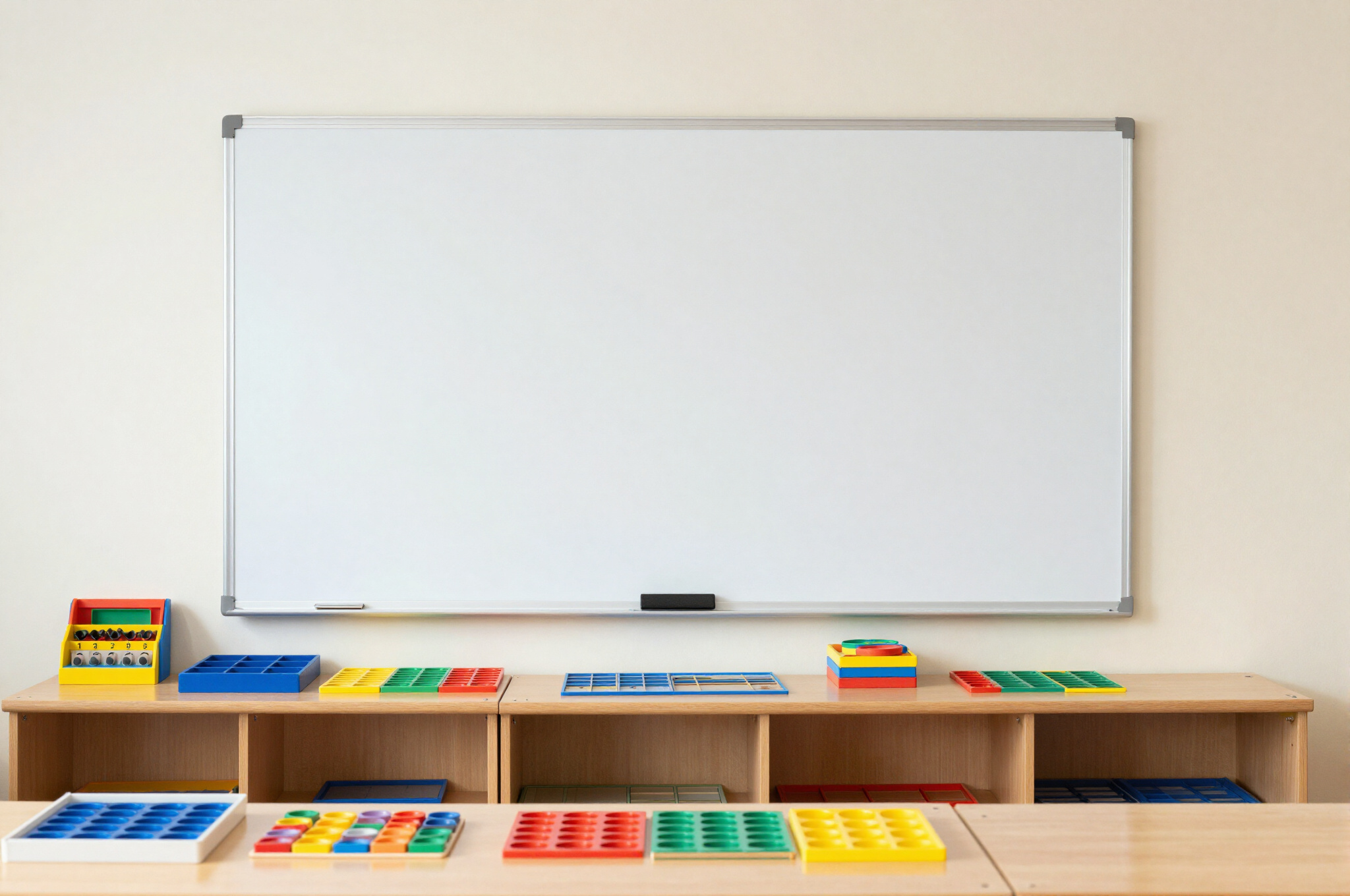
Students first explore ideas with hands-on materials, then represent them with pictures and models, and finally move to numbers and symbols, so understanding comes before procedures.

Strategic Problem-Solving
Children learn a toolkit of visual and logical strategies, such as drawing models, finding patterns, and working backward, and practice choosing the right one for each problem.

Small-Group Learning
Our classes are taught in structured groups of 6–8 kids, giving every child attention from the teacher while learning to share ideas, compare methods, and explain their reasoning to peers.

Strong Mathematical Foundations
A carefully sequenced P0–P5 pathway builds number sense, fluency, and reasoning step by step, creating the solid base students need for lasting academic confidence.
Problem-Solving Skills
Students practice a set of 12 visual and strategic problem-solving methods, learning to read a problem carefully, pick a strategy, and check that their answer makes sense.

Chinese Language & Literacy · 中文素养课程
Build Strong Chinese Language Skills and Cultural Connections
Our Chinese Language & Literacy program helps children ages 4–12 strengthen their Chinese reading, speaking, comprehension, and writing skills while exploring Chinese literature, poetry, and traditional culture. Through engaging stories, interactive discussions, creative writing, and age-appropriate activities, students develop confidence in expressing their ideas, thinking critically, and connecting with their cultural heritage.

What Students Will Learn
Reading & Comprehension
Build vocabulary, understand stories, and develop effective reading strategies.
Speaking & Expression
Practice storytelling, discussions, presentations, and confident communication.
Writing & Creativity
Learn sentence structure, organize ideas, and develop creative writing skills.
Chinese Culture & Literature
Explore classical poetry, traditional stories, idioms, history, and cultural traditions.
Critical Thinking
Strengthen reasoning, interpretation, and thoughtful expression.
Program Highlights
Progressive curriculum for ages 4–12
Classes of 6–8 kids with interactive learning
Reading, speaking, writing, and cultural enrichment
Age-appropriate activities and guided discussions
Curriculum designed to develop language skills and confidence


OUR LEARNING ENVIRONMENT
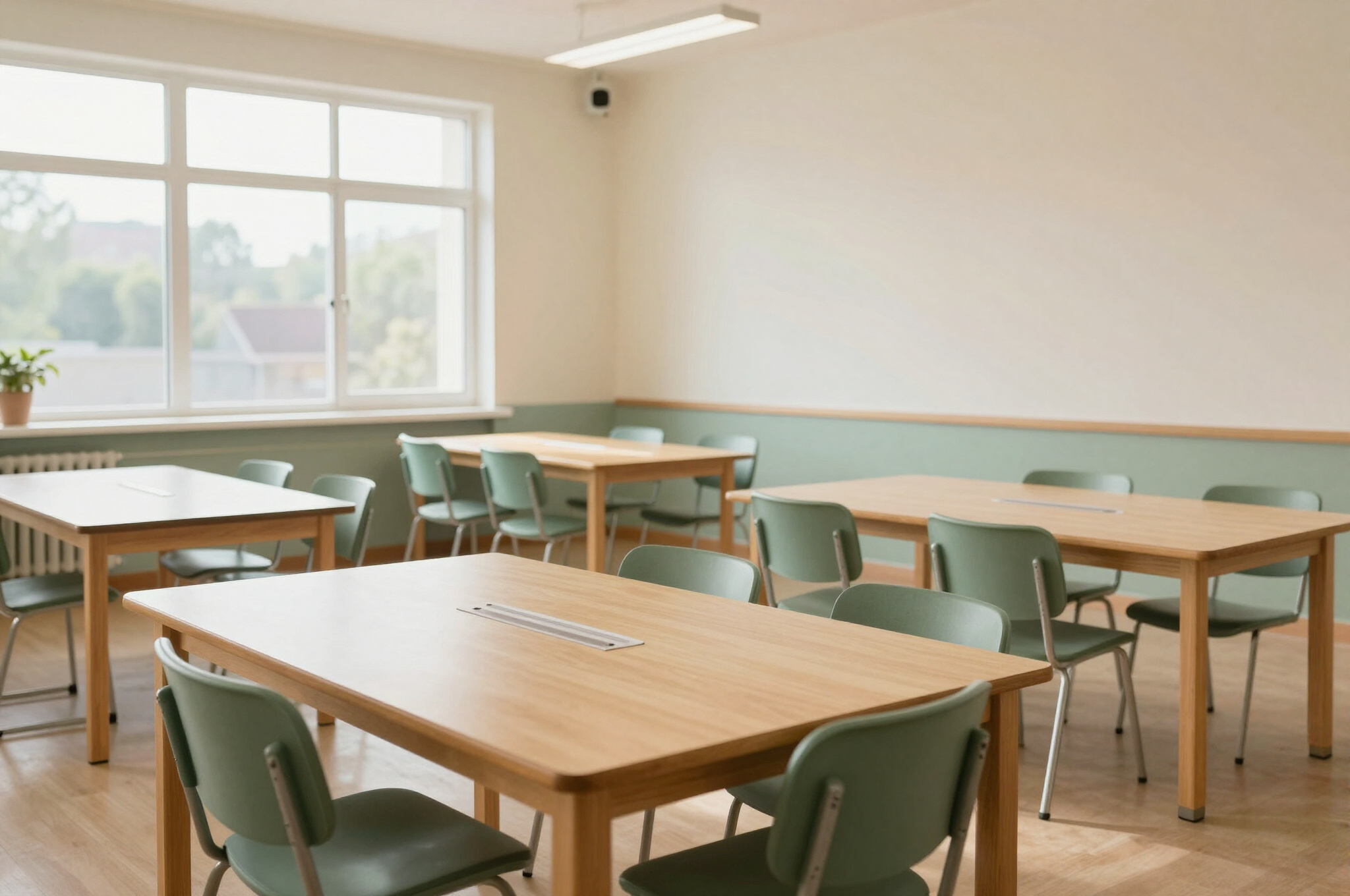
A Space Designed for Focused Learning
A welcoming space for learning and discovery, where bright, welcoming classrooms help children feel comfortable and ready to explore math.



Not Sure Which Level Is Right for Your Child?
Send us a message and our team will help you find the right program level.